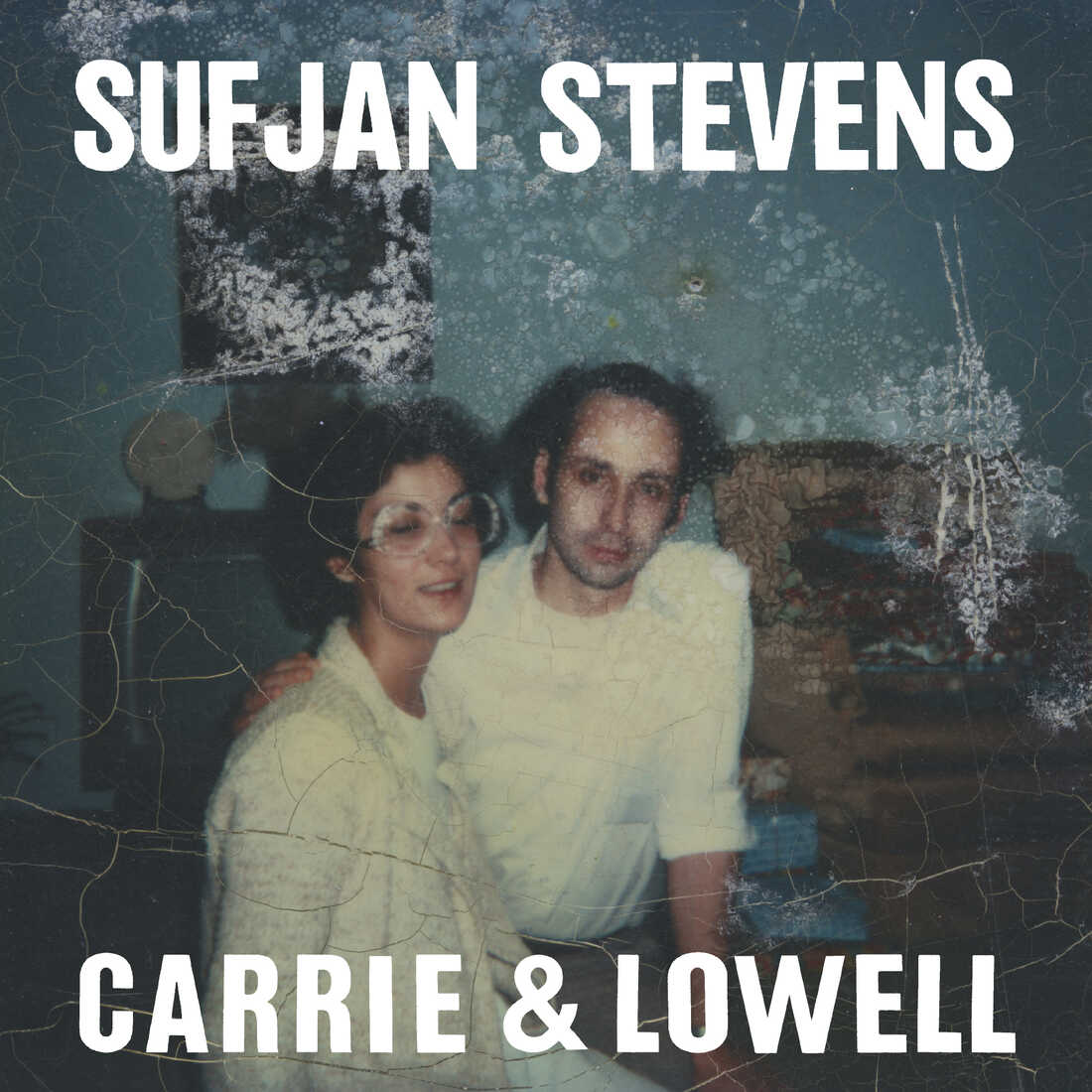
2015
Fourth of July
Sufjan Stevens
Before my mom passed away, I used to think a lot about the disappointments and conflicts we’d been through together or were still going through. I definitely had a list of things she could have done—ways she could have been a better mom. After she died, I felt consumed with thoughts about what I could have done differently. Ways I could have been better as her son. Ways I could have loved her more. Ways I could have eased her suffering in the year following her cancer diagnosis until she died on April 30, 2015.
Intermixed with grief, during that last year, I felt shame at having not been grateful enough. Grateful for having been birthed and cared for and loved by my mom. And I felt lost as she moved in with my family in Austin, and we confronted death alongside each other.
Her doctor had been honest with us. My mom had a year to live. The chemo and surgery would eradicate the cancer at first. It would make life seem bearable, and provide enough respite to feel strong and even hopeful. For a little while. But then the cancer would come back, and she would die.
And that is what happened. She moved in with my young family, with my wife and our two small kids—her grandchildren. We made her a bedroom in our downstairs dining room, and we went to chemo, and we watched TV and sports together in the evening. I still went to work every day. We traveled to visit relatives a few times. She was witty and fun and optimistic for most of that time. It honestly felt good to spend those months with my mom, even under the grim circumstances. It was the longest time I’d shared with my mom since I was a little boy.
I had, of course, lived with Mom as a kid until I was six and my parents divorced. But I don’t have many memories of her from that time. Afterwards, we had mostly built our relationship on holidays and weekend commutes to her Houston apartment from my dad’s house in the suburbs.
Before she got sick and moved in with us, the longest time we’d ever spent together was the summer after my junior year in high school when I lived with her and my stepdad, Eric, and worked at her office doing data entry and cleaning coffee pots. I liked working for her that summer. Listening to the radio all day while typing into a Lotus 123 spreadsheet on a bitchin’ IBM 386. Sometimes I’d drive over to take a guitar lesson at Rockin’ Robin Guitar Shop. At night, I was watching the first season of MTV’s The Real World. That was a fun summer. The first time I’d felt like I was glimpsing adulthood.
In the late 70s and early 80s, mom had worked in oil and gas, even spending some time as one of the few female landmen in the business, though that work was mostly about contracts and did not much resemble what you might have seen in the recent Taylor Sheridan show. After my parents divorced and the oil boom went bust, my mom and Eric both worked for more than a decade in commercial real estate, which would also go through its own boom and bust cycles.
My mom was an entrepreneur, and she was a pioneer of the co-working office space, where you could rent an office as a lawyer, CPA, or design creative, but have someone else answer the phone and do clerical work and scheduling for you as a leveraged service. Before there was Regus, there was my mom was making it happen in the depressed Houston real estate market of the 80s and early 90s.
For years, my mom and Eric leased the top floor of an office building on Kirby Avenue in Houston, subletting to a motley crew of solo professionals who didn’t always pay their rent. They made up some of that lost revenue running a full-service bar on the same floor, complete with a Ms. Pac Man video game and a big screen projection TV. It was a pretty awesome setup in the late 80s / early 90s. I watched Alien and C.H.U.D in that bar. Saw my first Wrestlemania and the last-ever episode of the A-Team on my mom’s janky Satellite TV setup in that bar, with its wobbly, unreliable color picture. The summer I worked there, in the early 90s, I’d sit there for hours reading Entertainment Weekly and playing GNR Lies on the stereo.
My memories of my mom are like the VHS tapes we used to watch on that weird, wobbly big screen TV. And perhaps just as reliable. But I do cherish the lo-fi pictures of her in my head:
- her tucking me in at Christmas Time and playing the rocking-horse music box (which I still have);
- going to my first few Astros games and saying “Jose CRUUUUUUZ” together;
- hooking up my new Commodore 64 for the first time and how it took FOREVER to load games from the cassette tapes;
- the look of joy on her face when my brother assembled the GI Joe aircraft carrier he got for his birthday;
- her face at night lit up by the fireworks at Astroworld, and the time I’d told her I hated her when she made us leave the park earlier than I wanted;
- the time she bought over a case of Red Dog beers to my college apartment at UH the week I turned 21;
- the time we smoked cigarettes together on her porch, New Years Day my junior year of college, both of us with long hair the wind kept blowing in our faces as we dragged
- holding her in my arms the night Eric died as the Astros playoff game quietly droned on in the background;
- dancing with her the night I got married;
- saying goodbye the week she was diagnosed because I had to head back to Austin, watching her cry in the hospital room;
- binge watching Game of Thrones in the final weeks, both of us marveling at how healthy she seemed, hoping maybe we had more time; and
- being with her the afternoon she died; it was just the two us in the room and i heard her loud, labored breathing come to an end—I put my hands on her forehead and cheek, and i stumbled out to the nurses’ station to tell them she was gone
Sufjan Stevens’s Carrie and Lowell came out two weeks before my mom died. The album is full of autobiographical songs about Stevens and his own mother, from whom he had been estranged and then reconciled, and with whom he had a fraught, complex relationship. I can’t overstate how hard this record hit me as I listened to it in the weeks and months after my mom died.
Just like my own grainy VHS memories, the images on Carrie and Lowell are somehow both flickering and timeless. Heartbreaking in their specificity and, at times, unbearable in their candor. It might not be my favorite album of all time, but no album has fucked me up so much or soothed me so gently when I needed it.“Fourth of July” is the song he wrote about talking with his mother right before she died of stomach cancer:
The evil, it spread like a fever ahead It was night when you died, my firefly What could I have said to raise you from the dead? Oh, could I be the sky on the Fourth of July? "Well, you do enough talk My little hawk, why do you cry? Tell me, what did you learn from the Tillamook burn? Or the Fourth of July? We're all gonna die"