1995
Father to a Sister of a Thought
Pavement
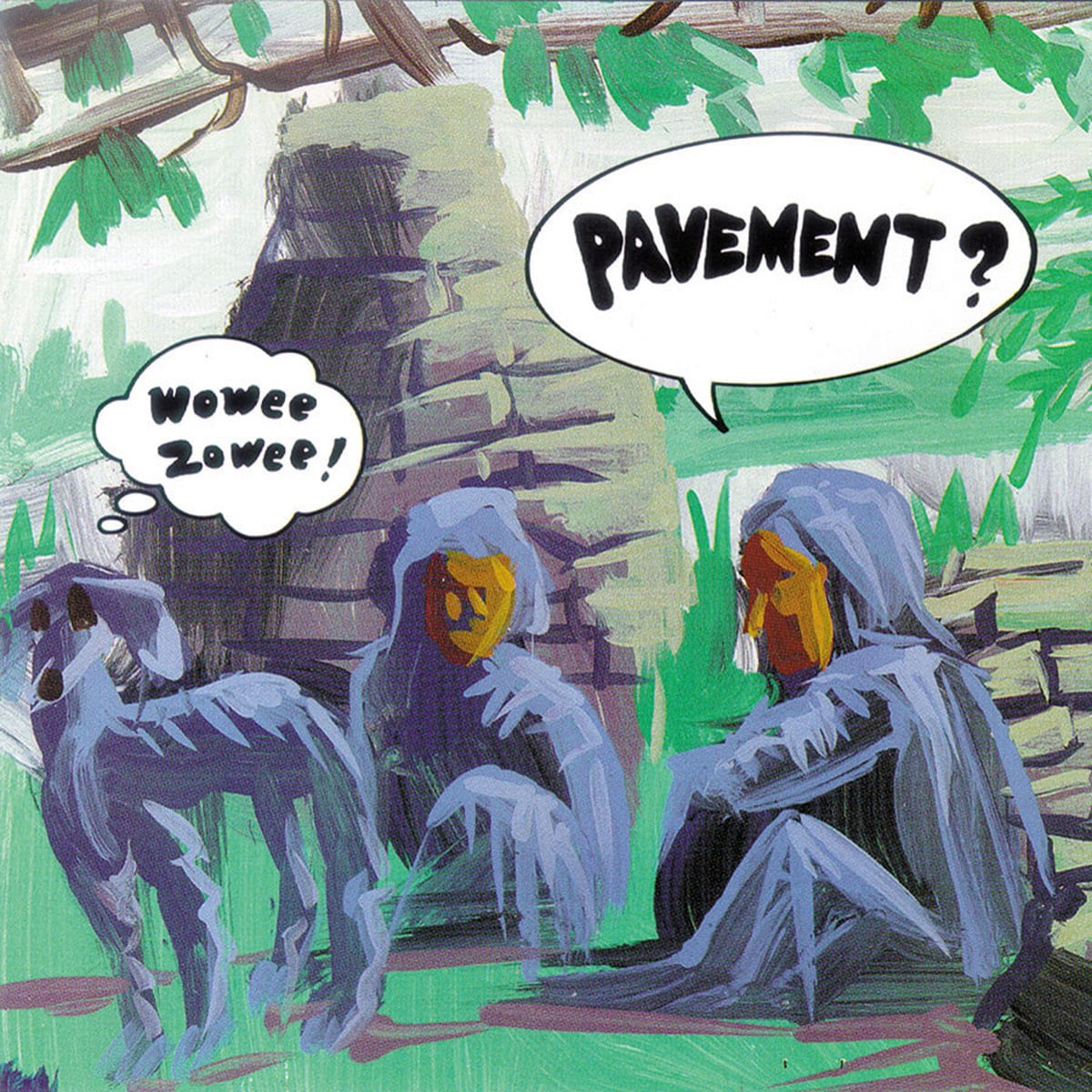
I was helping my brother move in 1995, driving his Chevy S-10 pickup, when I finally made friends with my favorite album of all time. It had taken me long enough to come around on Pavement. When I sampled Slanted and Enchanted at Sound Warehouse, I thought it was annoying and unlistenable, the treble from the guitars making my ears hurt. And sure, I had seen “Cut Your Hair” on MTV. It was okay, but I wasn’t in a hurry buy their second album either.
And then, my pal Marshall Sanchez, whose mom worked at Pavement’s label, Matador Records, gave me a cassette of Pavement’s third album Wowee Zowee. Marshall knew my favorite band was Yo La Tengo and we were both huge phans of Liz Phair. So he gave me an envelope that had Yo La Tengo stickers and an advance cassette of Liz Phair’s* Whip Smart.* I hadn’t asked for a promotional copy of the new Pavement. But Marshall insisted to me that it was incredible and I should give a listen.
I didn’t give it a shot until it was summer, and the album had already come out. But when I shoved it in the cassette player on that drive to my brother’s new place, Pavement finally clicked for me. __________
Music critics love to compare albums to the Rolling Stones’ Exile on Main Street. They’ve been doing it since* Exile* came out. They use it as shorthand for albums that are sprawling and inspired, albums that have songs instead of singles, albums that have detours; that are messy and flawed, but whose flaws reveal layers of intricate sonic detail and, I’m gonna say it—genius. Music critics love* Exile on Main Street*, and that’s why Liz Phair’s decision to name her debut album* Exile in Guyville* and to frame it as a song-by-song response to* Exile on Main Street* was so inspired. Critics ate that shit up. Like the Stones’ classic, Phair’s debut had exactly 18 songs whose different modes and moods matched the scope and breadth of the original Exile.
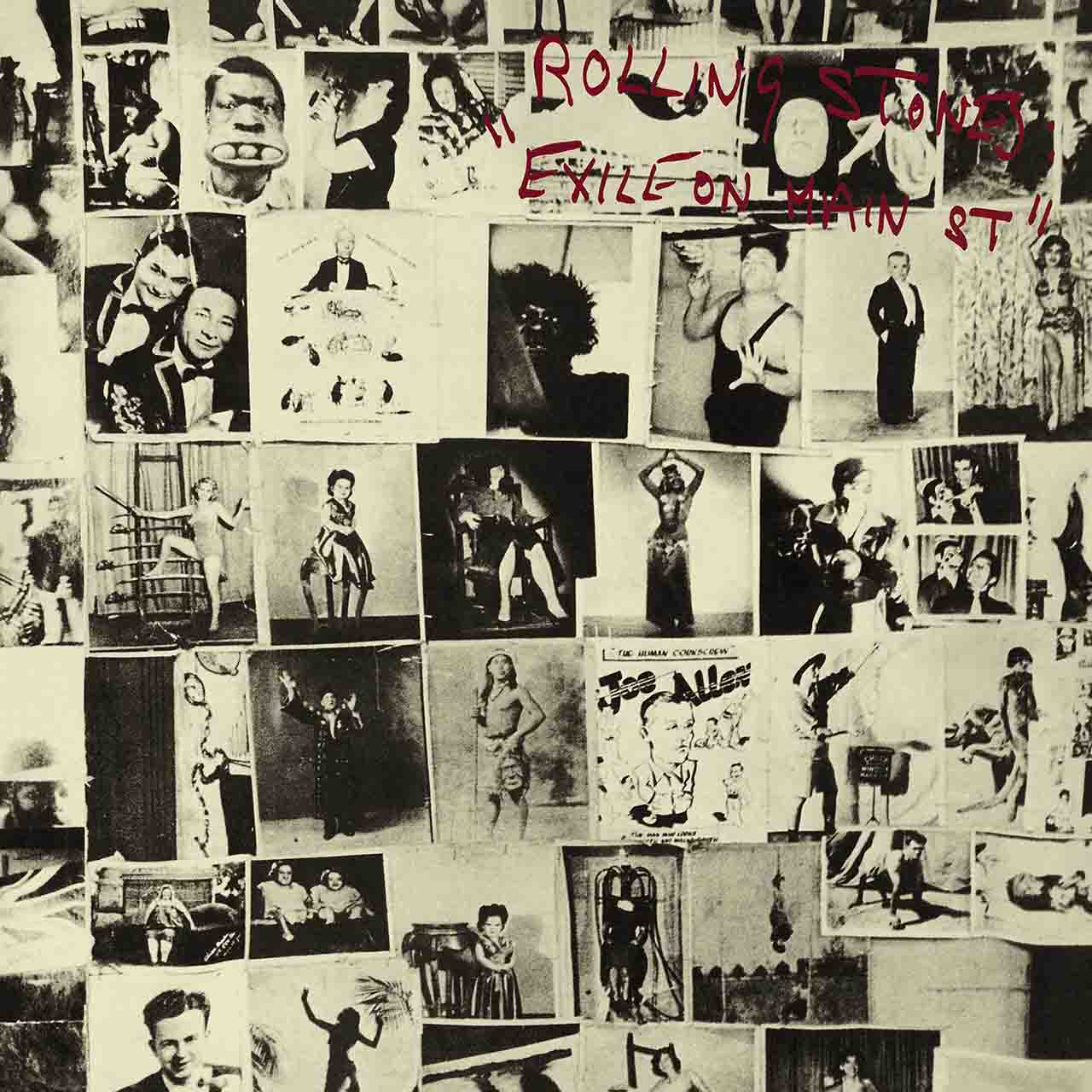

Pavement made no mention of Exile on Main Street when they released* Wowee Zowee*, but their third album also has 18 tracks. It’s also much messier and more jagged than Phair’s debut. But it’s the record’s sweeping scope that amazes me. Whenever I recommend* Wowee Zowee* to a new listener, I talk about how it seems to be the perfect apotheosis of mid 90s indie rock, capturing the whimsy of Beck (“Rattled by the Rush”) and the swagger of the Beastie Boys (“Serpentine Pad”). The detuned guitar heroism of Sonic Youth (“Flux = Rad”). The wracked and wicked guitar bends of Blues Explosion (“Best Friend’s Arm”), and the tuneful, wandering lyricism of Guided By Voices (the Spiral Stairs jams, “Kennel District” and “Western Homes”). The dense, pot-headed production of Flaming Lips (“Motion Suggests Itself”) and Ween (“Brinx Job”). Then there’s songs where you can hear the sad bastard streams cross themselves, like “Fight this Generation,” where the band starts singing a ballad they stole from Mercury Rev before rousing themselves into a Slack Motherfucker fighting stance and finally, vibe shifting into a jazzy denouement. There are 18 songs on the album, but it feels like more because so many of the songs shift into something else once or twice or thrice. “Half a Canyon” starts with a straight-up Stones imitation a la “Can’t You Hear Me Knockin’”, builds into an intricate, melancholy guitar bridge—mocking hippies on the way—before launching into a 3-minute guitar and organ jam session with bits of Stereolab and Krautrock buried just underneath the surface. They aren’t a jam band, but as guitarist a singer Steven Malkmus proved in his solo career, they easily could have been. There’s a reason Phish loves to cover Pavement.
As vibe shifts go, I’ve always loved track eight, “Father to a Sister of a Thought.” A gentle country ballad with Sweetheart pedal steel guitar whose chorus is interrupted by rude and stuttering prog rock guitar. The way the song stumbles into “Extradition” is one of my favorite sequencing transitions ever. Did I mention the sequencing? It could be 18 or 36 songs, or it could be one. Because they all sound like one organism breathing irregular life into whatever moment you’re in, whatever head space you’ve got going on. There’s no time for external worries or distractions, because you can’t pause the album without ruining it. This is a pack of Parliament lights, smooth and sable, and you’re gonna have to smoke the whole thing. And you can finish that sixer of Red Dog, too. You’re gonna be here a while.
I’m gonna leave you with with my list of favorite indie rock songs that feature pedal steel guitar:
- Lemonheads - “Hannah and Gabi” (pedal steel by Jeff “Skunk” Baxter, the Steely Dan and Doobie Brothers legend)
- Camper Van Beethoven - “Sweethearts” (pedal steel by David Immerglück, one of the band’s several multi-instrumentalist members)
- Neko Case - “I Wish I Was the Moon” (pedal steel by Jon Rauhouse, I love the overdrive / distortion on this one)
- Wilco - “Dash 7” (pedal steel by Lloyd Maines—I love how his playing here makes you feel like you’re flying)
- The Shins - “Gone for Good” (pedal steel by Kevin Suggs)
I forgot to mention who plays pedal steel on “Father to a Sister of a Thought”—it’s Doug Easley, the owner and namesake of the studio where the Wowee Zowee was recorded. In my review of mid-90s indie rock above, I mentioned a slew of iconic bands, and almost all of them recorded at Easley’s famous studios. Incidentally, that includes Wilco. Their debut album, including “Dash 7,” was also recorded at Easley.